
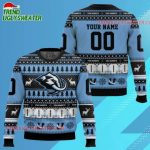
Base
| Name | Who Started the NHL Ugly Sweater Holiday Trend? The holiday season always brings out the most joyful, quirky, and nostalgic side of sports culture, and nowhere is that more visible than in the now-iconic NHL ugly sweater phenomenon. And so the question many fans still search for is simple yet fascinating: Who Started the NHL Ugly Sweater Holiday Trend? This isn’t just a fashion story—it’s a cultural evolution that blends humor, team pride, and seasonal celebration. As someone with ten years of experience in SEO strategy and sports content creation, I’ve watched this trend rise from a small fan-driven idea to a full-blown annual tradition embraced by franchises, retailers, and diehard fans. The answer, however, goes deeper than just identifying a single person. It’s a story about creativity, fan culture, and a league that embraced a movement at just the right moment. 👉Buy Now: https://www.band.us/band/99772756/intro The Early Origins of the NHL Ugly Sweater Trend Before we dive into the key figures who helped spark the movement, it's important to understand how the early foundation of the NHL ugly sweater trend began. This section uncovers the roots of a fashion wave that didn’t start inside league headquarters or with major merchandise companies—it began with fans. Long before official NHL ugly sweaters hit the shelves, hockey lovers were already crafting homemade designs, pulling out vintage knits, and remixing classic team logos with holiday elements. But something magical happened in the early 2010s: hockey humor and nostalgia collided with internet culture. From small gatherings to viral photos, NHL fans started reshaping what holiday apparel could look like. This movement didn’t come from a corporate brainstorm—it came from people who loved the sport so deeply that they wanted to wear their passion in the loudest and most joyful way possible. And that’s what made the trend unforgettable. The Fan Parties That Sparked a Movement The earliest wave of NHL ugly sweater culture came from fan-hosted holiday parties. Young fans, college students, and hockey families began showcasing handmade sweaters featuring stitched logos, glittery snowflakes, and even miniature goal nets sewn onto knitwear. People shared these creations on social media, and by the time the images started circulating on platforms like Facebook and early Twitter, the idea began to spread across various hockey communities. Fans were essentially saying: “We love our team, and we’re going to celebrate it with holiday chaos.” What began as simple homemade crafts soon turned into a movement. The Internet’s Role in Amplifying NHL Holiday Fashion By 2012, social platforms were buzzing with funny, vibrant, and over-the-top NHL-inspired holiday sweaters. Meme pages, fan accounts, and even local sports bars began running contests for the “best ugly hockey sweater.” And because hockey fans tend to be passionate and creative, the designs were wild enough to catch the attention of merchandise makers. The trend didn’t just evolve—it exploded. Which NHL Team First Popularized Ugly Holiday Sweaters? Now, to truly understand Who Started the NHL Ugly Sweater Holiday Trend, we must talk about the teams. While fans built the foundation, the first major breakthroughs came when teams decided to embrace the trend publicly. This section explores the earliest team-led initiatives and how specific franchises helped push ugly sweater culture into the mainstream. Around the mid-2010s, several NHL teams began experimenting with holiday-themed promotions. They introduced limited-edition sweaters for charity events, team store releases, and arena giveaways. These campaigns created buzz because they offered something fans had never seen before—official team-approved holiday apparel that fully leaned into humor and nostalgia. And from the moment the first sweaters were unveiled at rinkside events, fans couldn’t get enough. The Vancouver Canucks and Their Holiday Game Activations One of the earliest teams to give the trend visibility was the Vancouver Canucks, who embraced themed game nights, holiday promos, and off-ice fan engagement featuring festive gear. Photos of players wearing intentionally “ugly” holiday knits during charity meet-and-greet events created enormous online traction. The Canucks didn’t invent the trend, but they turned it into something visually iconic. The Pittsburgh Penguins and the Rise of Holiday Merchandise Another early adopter was the Pittsburgh Penguins. Their team store began releasing quirky holiday designs that fans lined up for during the winter season. Social media posts, fan photos in the arena, and local influencers wearing Penguins-themed sweaters helped push the idea of official NHL ugly sweaters into the spotlight. So while no single team “started” the trend, the Penguins were among the first to commercialize it effectively. 👉 Read more: https://portfolium.com/nhluglysweater The Role of Merchandise Brands in Shaping the NHL Ugly Sweater Era When fans and teams started generating buzz, merchandise companies quickly realized they were witnessing a cultural shift. This section dives into how manufacturers, designers, and online fan stores helped transform the trend into a full-fledged industry. By the mid-2010s, demand for NHL ugly sweaters skyrocketed. People weren’t just looking for sweaters—they were searching for the funniest, boldest, most memorable designs possible. This created an opportunity for independent designers, small online shops, and eventually large retailers to step into the spotlight. Companies began experimenting with creative concepts, from team mascots wrapped in lights to snow-covered arenas integrated into knitted landscapes. The creativity was limitless. And in the last few years, brands such as Trenduglysweater have helped expand the trend even further, offering custom designs, city-inspired collections, and player-themed holiday sweaters that fans could personalize. Independent Designers and the Rise of Fan-Created Art Before big brands took over, independent designers played a huge role. Etsy shops and small creators experimented with bold, experimental designs—many of which later inspired official releases. These early artists helped establish the playful tone of today’s NHL holiday fashion culture. How Team Stores and Retailers Commercialized the Trend Once retailers noticed the demand, they began producing large collections annually. Limited-edition drops, stadium-exclusive designs, and holiday bundles turned NHL ugly sweaters into a core seasonal product. Suddenly, what began as a fan experiment became a marketing staple. Players Who Helped Make NHL Ugly Sweaters Go Viral You can’t tell the story of Who Started the NHL Ugly Sweater Holiday Trend without mentioning players. NHL athletes—especially younger stars—played a surprisingly important role in helping the trend go viral. Their charisma, humor, and willingness to poke fun at themselves made the sweaters instantly shareable. Whenever a player wore an ugly sweater in a holiday charity event or team video, fans shared the images across social media within minutes. This section explores how player involvement shaped the culture and popularity of NHL ugly sweaters. Team Holiday Videos & Viral Locker Room Moments Some of the most memorable NHL ugly sweater moments came from holiday video skits—teams like the Boston Bruins, Toronto Maple Leafs, and Minnesota Wild created playful videos featuring players in outrageous festive outfits. These videos often went viral, instantly boosting interest in NHL seasonal fashion. Players Using Social Media to Showcase Festive Gear Many players shared snapshots of their holiday outfits on Instagram and Twitter—often wearing team-issued sweaters. Their posts reached millions, giving the trend a level of visibility no marketing campaign could match. Why the NHL Ugly Sweater Trend Became a Cultural Phenomenon This is where the story becomes bigger than clothing. NHL ugly sweaters became a phenomenon because they tap into deep emotional layers of fandom. This section reveals why the trend resonated so powerfully with hockey lovers. Fans don’t simply wear these sweaters—they celebrate memories, family traditions, team loyalty, and the holiday spirit. The movement thrived because it combined humor, nostalgia, and identity. And in a sport known for tradition, toughness, and passion, the ugly sweater brought a softness and joy that fans embraced wholeheartedly. Nostalgia and the Power of Hockey Memories For many fans, wearing an ugly NHL sweater is like putting on a piece of childhood—those nights watching games with family, cheering with friends, or collecting cards featuring their favorite players. Community Pride and Shared Identity Hockey fans love belonging to something bigger than themselves. Ugly sweaters became a symbolic uniform of winter gatherings, arena nights, and festive viewing parties. 👉 See Now: http://vcook.jp/users/51343 So, Who Truly Started the NHL Ugly Sweater Holiday Trend? The answer isn’t one name. It isn’t one team. It isn’t one designer. The NHL ugly sweater holiday trend was started by the culture itself—by fans who loved their teams so much that they created something new, by players who embraced the fun, by teams who amplified it, and by merchandise makers who transformed a grassroots movement into a holiday tradition. The trend grew because it made people smile. It united families, reconnected fans with childhood memories, and turned hockey culture into something warm, playful, and beautifully human. So when we ask again, “Who Started the NHL Ugly Sweater Holiday Trend?” the truest answer is this: the fans did—and everyone else helped it shine. |